

Mask wearing is an effective way of minimising the risk of disease transmission and providing personal protection against respiratory viruses emitted in droplets and aerosols. But have you ever wondered if you’re wearing your face mask the right way?
AIR⁺ is an award-winning mask brand and HSA-approved manufacturer in Singapore, and here’s what you need to know about masking up and staying prepared for the future.
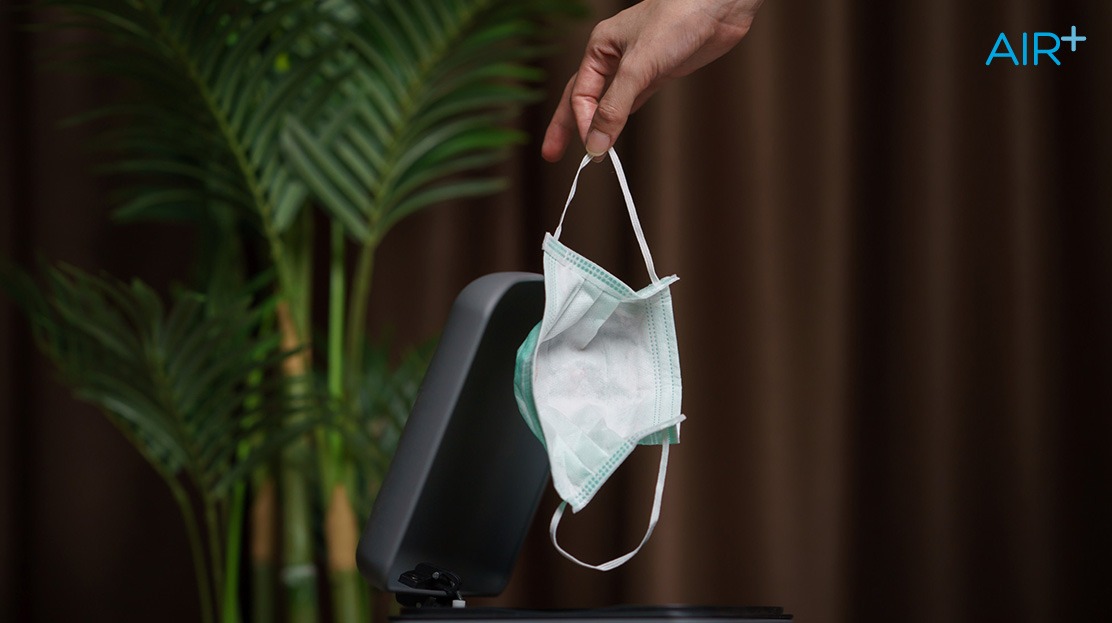
Disposable face masks are meant for single-use only by industry standard. While face masks can be used for up to 8 hours, the actual duration varies depending on the environment. Face masks and respirators that have become wet or dirty due to heat, humidity or prolonged exposure to pollutants should be thrown away. Do not continue to wear a mask if potentially infectious droplets might have gotten onto the mask. Always replace it with a dry, clean mask.
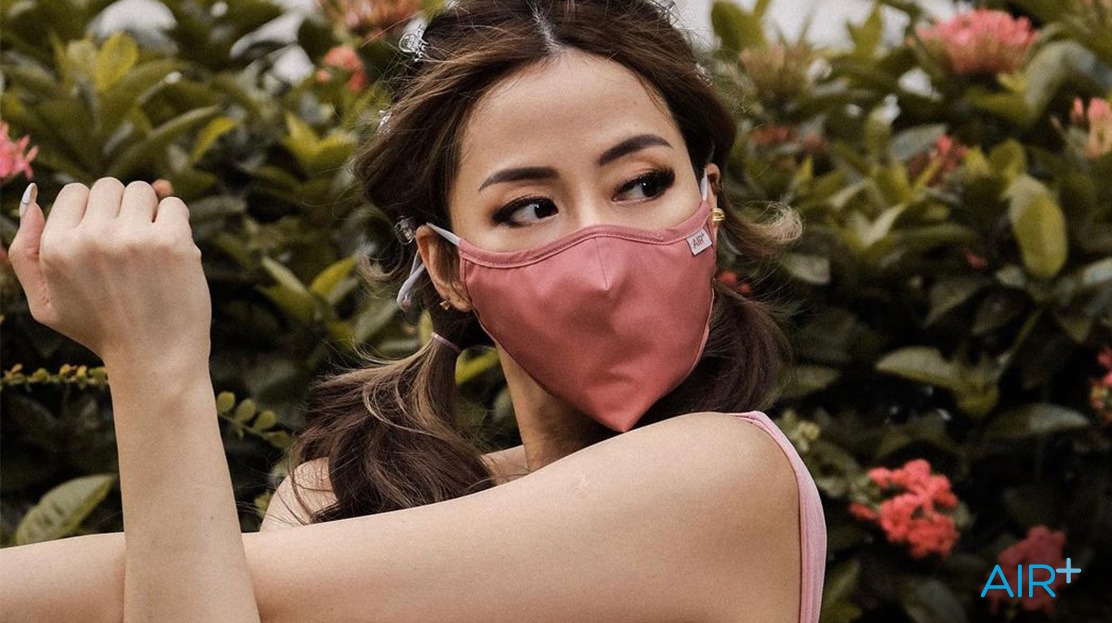
New research has shown that your heart rate, respiratory rate, blood pressure, and oxygen levels are not significantly affected when a mask is worn during moderate to strenuous physical activity. This means that it is safe to wear a mask for those who prefer to stay protected while exercising. However, surgical masks may break down as they become wet from sweat and increased exhalation that occurs during exercise.
Reusable masks made of a moisture-wicking material such as polyester, on the other hand, typically work well. We recommend AIR⁺ Voyager Mask which comes equipped with advanced filtration in a lightweight form factor for enhanced comfort and protection.
Learn more: Surgical Masks vs Non-Medical Masks: What's The Difference
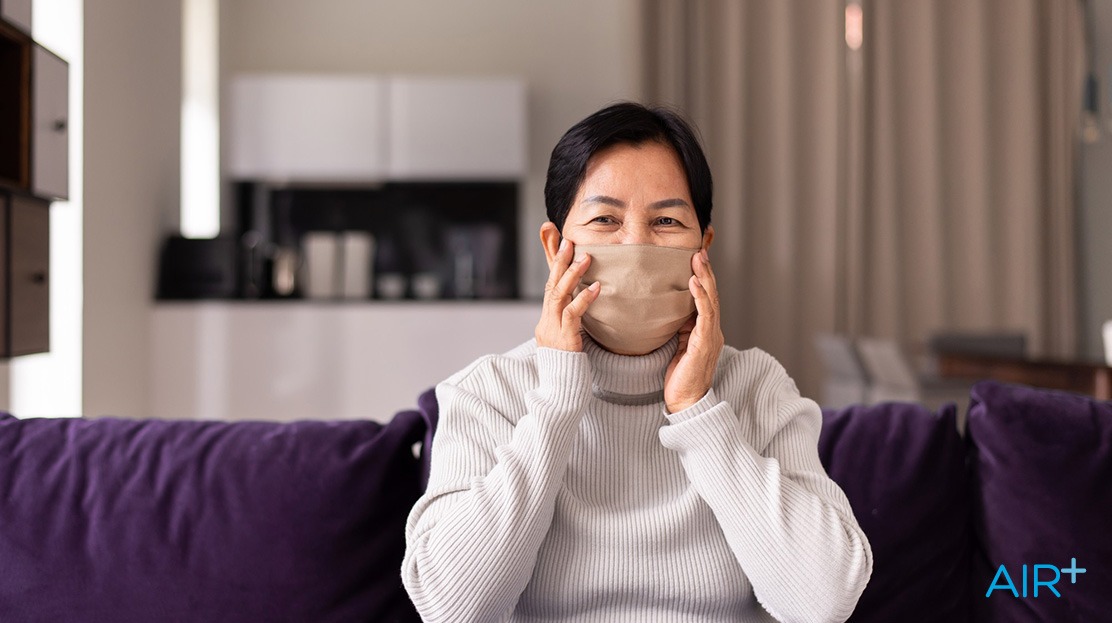
If you find yourself feeling unwell, it doesn’t hurt to err on the side of caution and not expose those who live with you to whatever you might be down with. Wearing a face mask at home could help ward off the spread of a possible bacterial or viral infection among family members living in the same household. This should be done until you are sure that you’re in the clear, and the same goes for everyone else in your family.
In addition to wearing a mask, self-isolation is also crucial if you or a loved one has COVID-19. Avoid common areas like shared bathrooms, the kitchen and living room if possible. Another thing you can do is to leave windows open regularly for sufficient air circulation.
Whether it’s a minor flu or COVID-19, face masks offer protection against bacteria and viruses, and reduces the spread of infection. We hope this article has provided some insight into the things you should keep in mind for effective wearing of face masks.
On the search for the best face masks in Singapore? AIR⁺ carries a wide range of face masks equipped with advanced filtration and comfort for all your masking needs. Reach out to our team today to learn more!